

"What are bitters anyway?", is a question I get a lot. I can’t even tell you how many times I skipped over the bitters in a recipe before I learned more about them. After I made my first batch, I was hooked and took a deep dive learning all I could.
In the simplest terms, bitters are an infusion. An extract. A tincture. High proof alcohol plus herbs, roots, barks, fruit, spices, or flowers. At least one of the botanicals must taste bitter. They are often added to beverages in drops and dashes to bring balance, complexity, or flavor.

Why Drink Bitters?
Ok, so here’s a little nerdiness about flavor. First of all, flavor is a combination of what we taste AND what we smell. We perceive them as a single experience. Second, taste falls into five categories: sweet, savory, sour, salty, and bitter. Our taste receptors (most of them in our mouth) are seeking out each of these categories to give our body information about the biological use of a food.
Maybe you’ve heard that bitters are good for digestion. This is true! Bitterness indicates beneficial AND toxic compounds. Our body becomes hyper aware of separating the beneficial compounds out to use and eliminating the toxins as quickly as possible. It’s also why we have bitter receptors throughout our entire body (instead of only on our tongue). When we taste bitterness in our mouth, our brain goes into high alert. That’s why adding bitters to food and drink makes us taste everything better.
History of Bitters
Humans' relationship with bitter tasting foods goes back centuries. Every culture has a rich history of using bitter botanicals to support health and well being. For thousands of years, the preferred method for extracting those beneficial compounds has been alcohol. The alcohol preserves both the flavor and those beneficial compounds. Chartreuse, the herbal liqueur made by Carthusian monks in France since 1737, is one example. Based on a recipe for an ‘elixir of long life’ given to them in 1605, the ingredients are secret but said to include 130 herbs, plants, and flowers.

Bitters For Cocktails
At some point in the late 1700s, bitters became so bitter they were unpalatable. People began adding them to spirits to mask the horrible flavor. "Just a spoonful of sugar helps the medicine go down." And thus, the cocktail was born. The first printed definition from 1806 says, “Cocktail is a stimulating liquor composed of spirits of any kind, sugar, water, and bitters.” Bitters gained popularity in colonial America and helped them make the leap from medicine to flavoring. Looking back at cocktail history, you see the influence of bitters on those classic recipes.
-
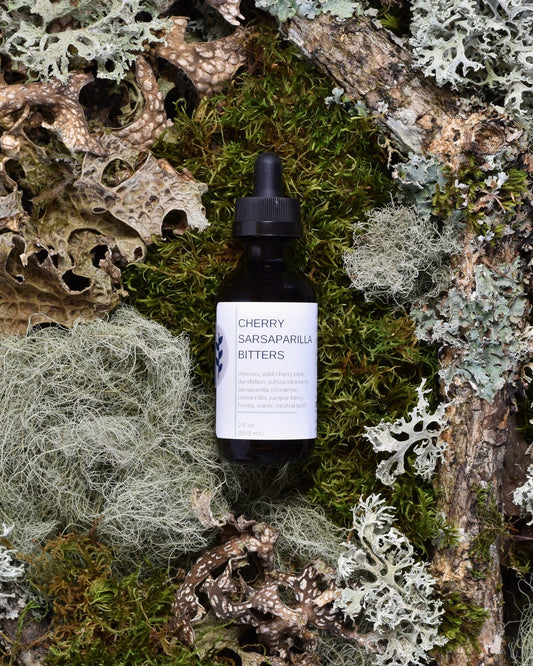
Cherry Sarsaparilla Bitters
Regular price $18.00 USDRegular priceUnit price per -
Chamomile Vanilla Bitters
Regular price $18.00 USDRegular priceUnit price per -
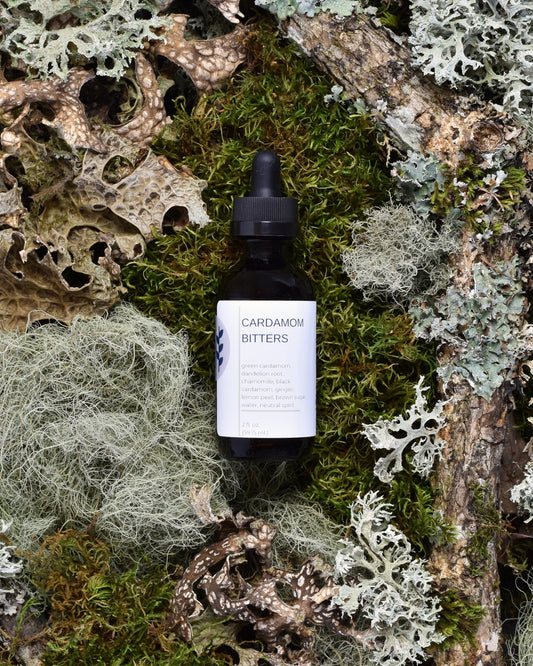
Cardamom Bitters
Regular price $18.00 USDRegular priceUnit price per -
Barrel-Aged Aromatic Bitters
Regular price $20.00 USDRegular priceUnit price per


Other Uses For Bitters
We often think of bitters as they relate to cocktails, but they have many other uses too. Most common is adding them to water, sparkling or not, to add flavor. It’s a fun way to add life to your water (or any beverage) and makes a delicious digestif before meals. I’ve also used them in salad dressing, baked goods (replacing the vanilla), and ice cream topping. Or you could try some of the many recipes for marinades, spiced nuts, and spirit-free drinks.
Bake some FreeWildShe Chocolate Chip Cookies with Barrel Aged Aromatic Bitters
However you use them, measure with your taste buds. Use the amount that you like the flavor of. There's no wrong way. Here is your permission to play. And if you need inspiration, there are recipes on my website, tons of cocktail books, and endless Google searches to feed your creativity. Happy sipping!


